Pilot Script Locked
October
Pilot locked. Season 1 outline and episode beats completed.
Karan, a teenage comedian with a traumatic past, moves between the worlds of Brown Suburbia and NYC Standup trying to bridge the gap between the two. How much is he allowed to make fun of a community that he’s deeply influenced by but feels rejected by?
I was about to perform standup comedy for over 200 people. Normally, I would have been excited, but tonight, for the first time as a stand-up comedian, I was going to confront my fear of standing.
I was an athlete whose defense mechanism had been basketball. Unfortunately it was stripped due to a freak condition that left me with a lifelong limp. In the hospital, as I binge-watched sitcoms and specials, I started putting pen to paper. I wrote relentlessly living out the feelings I was scared of through other characters, relinquishing them.
With standup however, I was defenseless against one fear: standing. My insecurity about my limp caused me to timidly perform from a stool, trademarking myself as the sitdown comedian. While Karan and I share that fear, I am in no way like him. He fights in ways I could never fathom and endures in ways I’m not strong enough to. Hasya is my weapon to face this fear in a different medium. Being able to see Karan overcome through the pages gives me hope, in a way that no other story has.
I believe that great stories aren’t about what happens but who it happens to. We don’t know what it’s like to sell meth like Walter White but we relate to the feeling of deserving more than you have and not wanting to live in regret. Through Walter we can relinquish them. I choose to tell Karan’s story because I am finally ready to relinquish this feeling through another life.
Through comedy I fight again, and through Hasya I enter a new battle, one with myself. With each draft, I prepare for war with my mic as my sword, my jokes as my bullets, and my characters as my army to defeat the enemy within, the one that kept me on the stool for so long. Nobody can stop me from standing anymore, especially myself.
— Sanjay Vattamreddy, Co-Creator · Writer · Lead
Between grounded rawness and heightened spectacle, Hasya is shot like a memory fragment—confrontational, intimate, and occasionally surreal.
Comedy clubs glow like fever dreams in saturated spotlight. Family scenes collapse into handheld claustrophobia. School halls pulse with cold fluorescents. Parties unravel into kinetic, borderline surreal sequences.
Freeze frames, journal inserts, and fourth-wall breaks let Sanjay’s interior monologue bleed into the real world, so humor and ache coexist in every frame.
Eighth Grade earnestness, Atlanta surreal flourishes, and Fleabag confessional wit.
Warm ambers vs. icy blues mirror Karan’s dual worlds; texture shifts between hazy film grain and crisp digital to signal perspective.
Jazz percussion underscores anxiety, whip-pans and snap-zooms punctuate punchlines, then fall into stillness for emotional beats.
“The tone walks a line between cringe humor and quiet ache, leaning on handheld intimacy.” — Benny Nguyen, Pilot Director
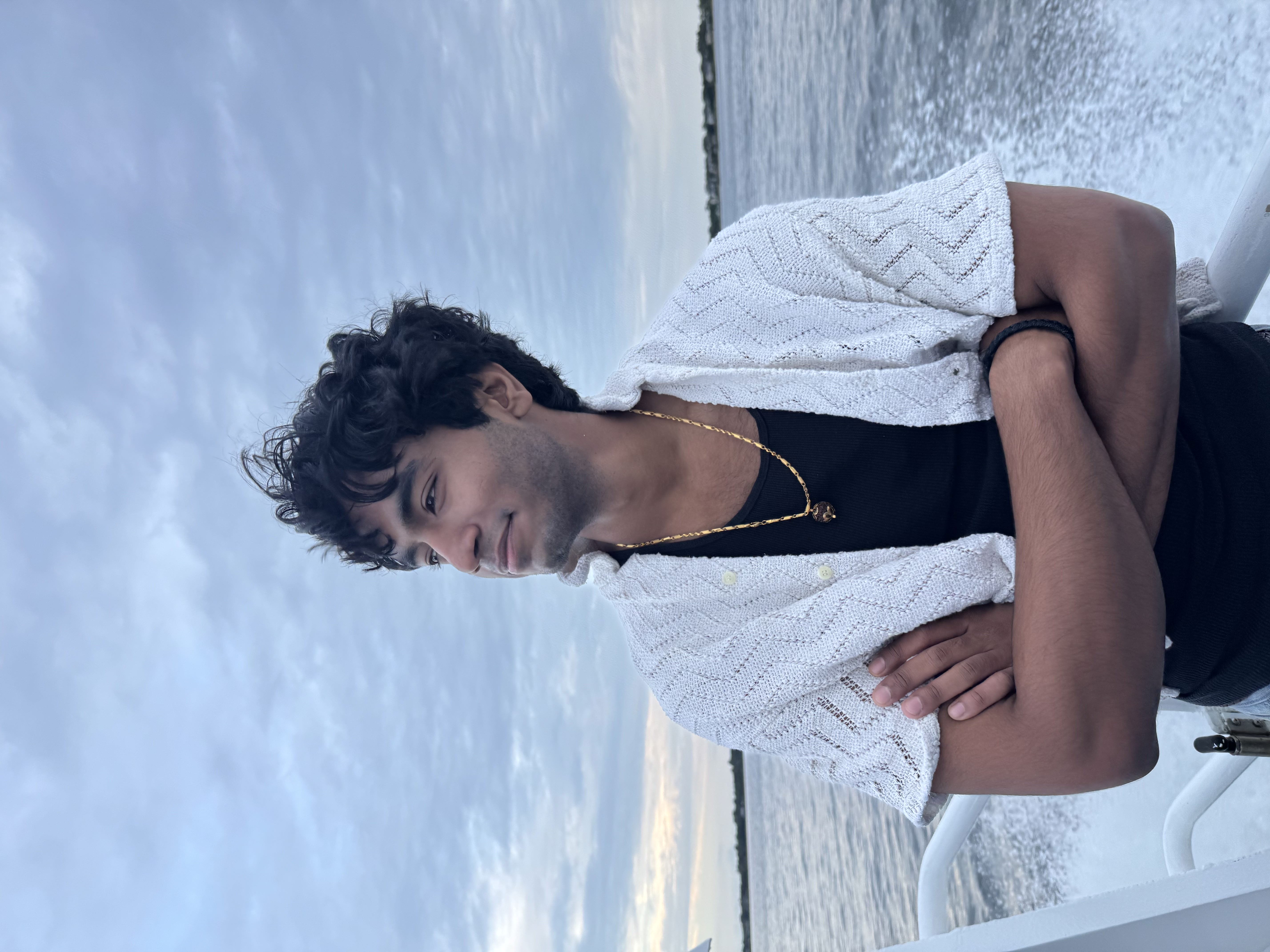
Sanjay Vattamreddy is a writer, actor, and standup comedian currently studying TV Writing at NYU Tisch. He grew up in Dallas, TX where he attended Booker T. Washington High School for the Performing and Visual Arts.
Sanjay is represented by CESD Talent Agency and has acted in feature films, short films, commercials, and print ads. He has opened for comedians including Michael Longfellow, Troy Bond, Vishnu Vaka, Jamie Wolf, and Kiry Shabazz.
He is a member of Etch-a-Sketch, one of NYU’s premiere sketch comedy groups, has had work produced on stage and on screen, and has interned at West Side Comedy Club, Naked Eye Production, and Saturday Night Live during its 50th season.
Sanjay is also President and co-founder of Love of Laughter, a nonprofit bringing music and comedy to elderly communities, with chapters at campuses including UC Berkeley, UT Austin, NYU, Northwestern, and Princeton.
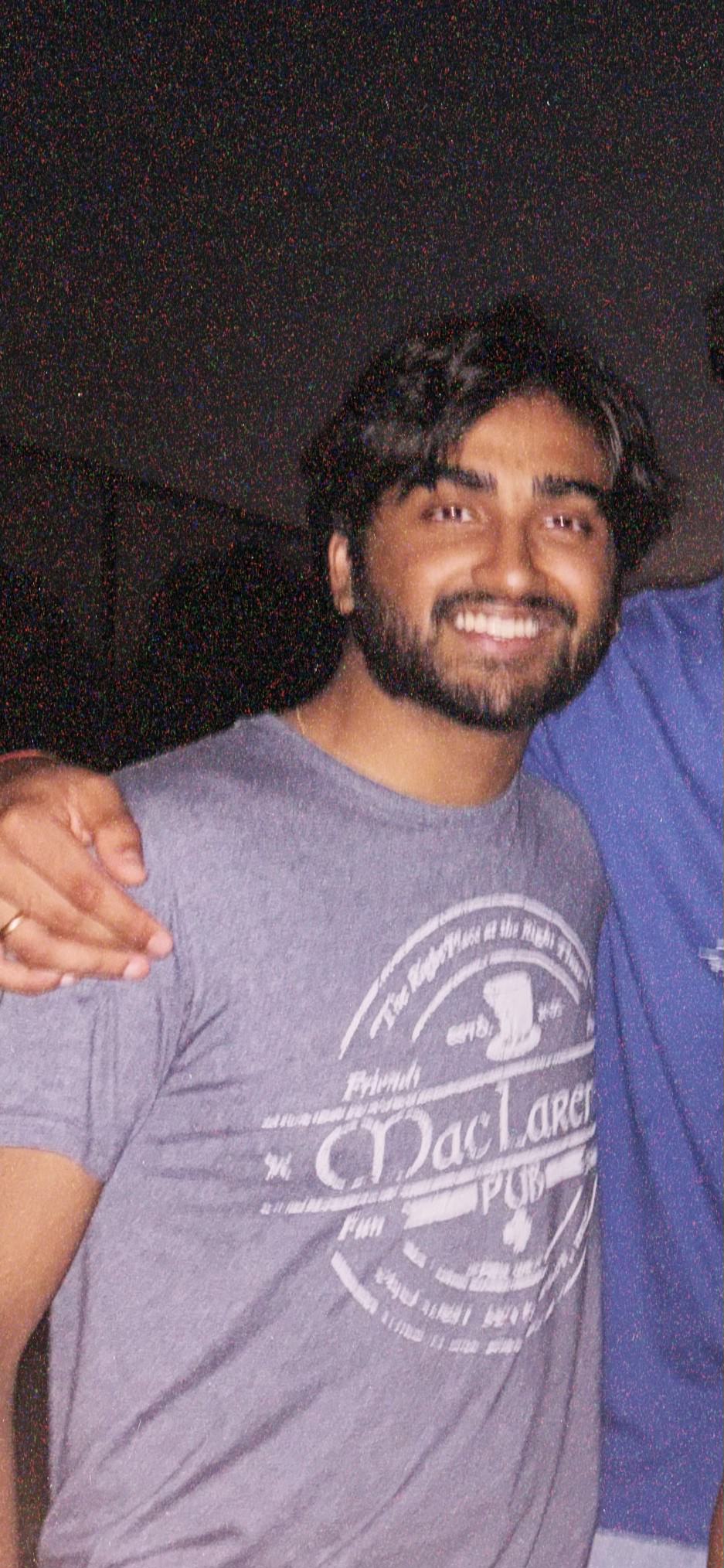
Anjan Sesetty is an undergraduate at UC Berkeley studying Electrical Engineering and Computer Sciences. He writes and develops screenplays that explore mental health, cultural expectations, and the tension of growing up between worlds.
He has written multiple feature-length scripts and a short film, and hosted a podcast on mental health in the South Asian diaspora. His technical background shapes a structured, detailed approach to emotionally grounded storytelling.
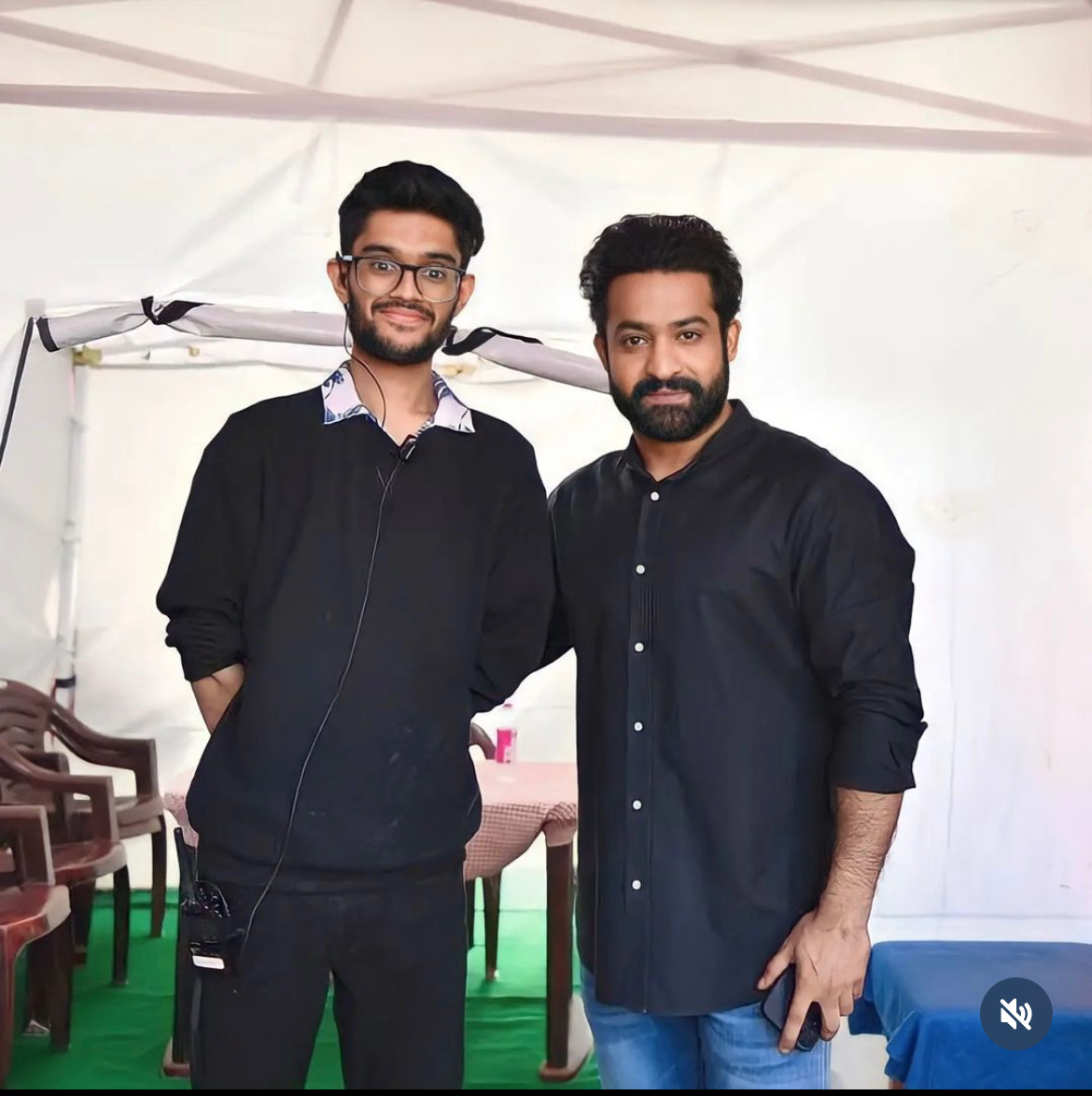
Sridutt Saripella is a senior at Indiana University Bloomington, double majoring in Quantitative Economic Analysis and Film Production. He is drawn to storytelling where emotion, sound, and structure align.
His work as an Assistant Director on the Tollywood production Devara, coordinating large-scale shoots and complex sequences, shaped his precise and disciplined approach to filmmaking.
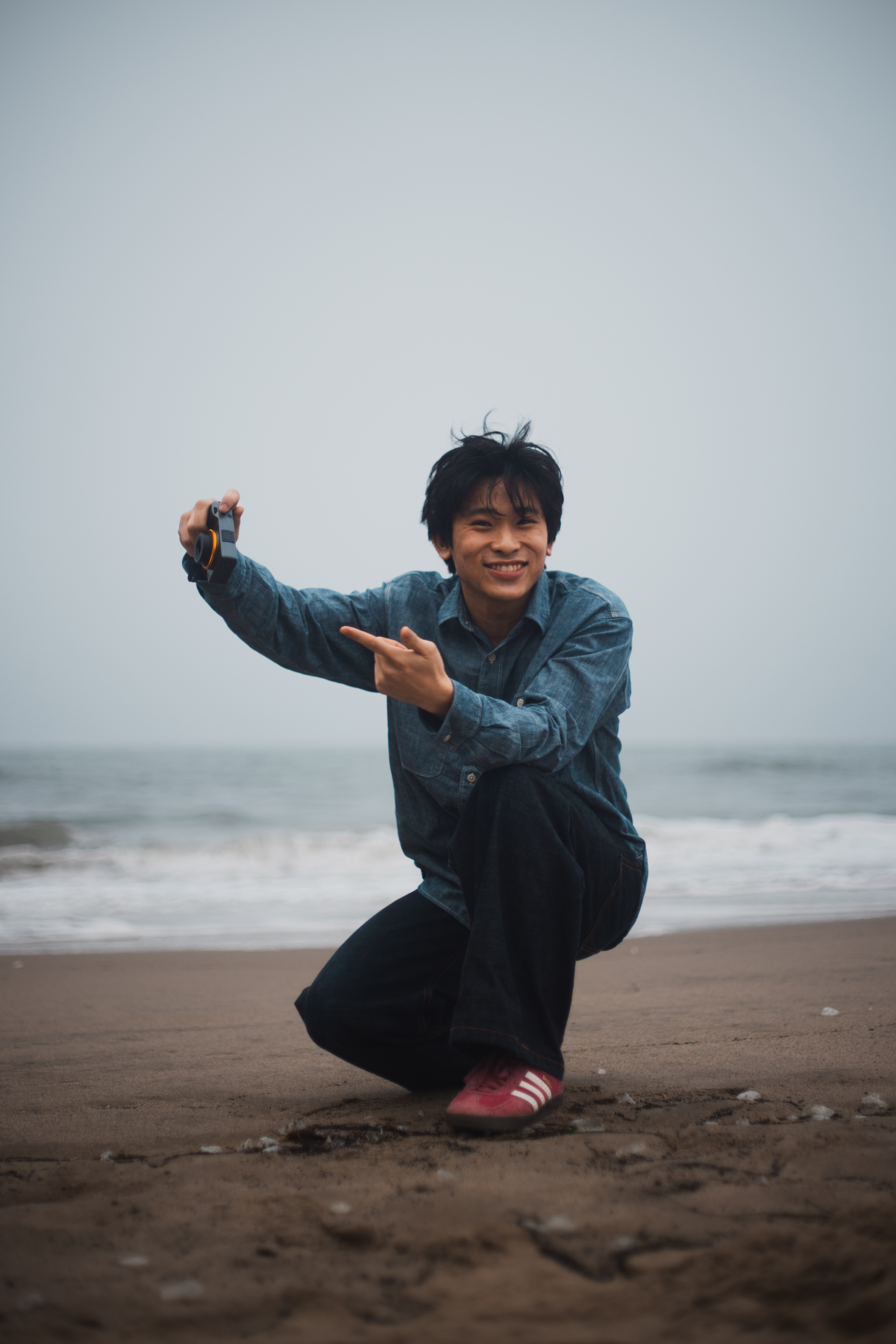
Benny Nguyen is a Vietnamese-American filmmaker based in Orange County and New York. He is passionate about intimate, character-driven stories that explore humanity, memory, and connection.
He approaches filmmaking with curiosity and experimentation, always anchored in emotional truth.
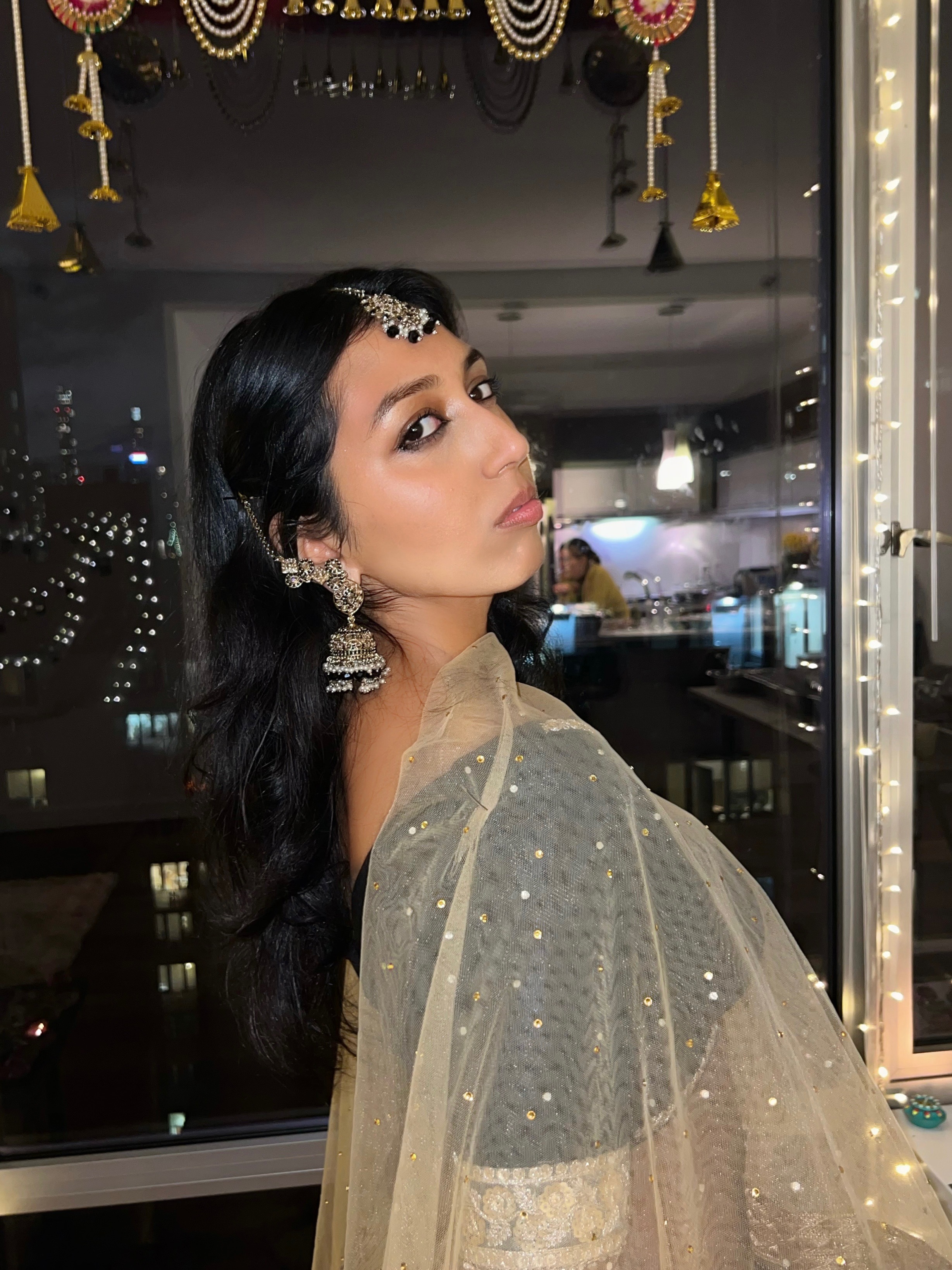
Baani Kaur's mission is to connect cultures through art. She is a writer-actor-director-producer of music videos, commercials, and films infused with comedy, dance, and activism.
She studies at NYU Tisch School of the Arts and writes for Rickshaw's Feature Lab Writers Room. Previously, she trained at UT Austin’s McCombs School of Business and Moody College of Communication, and held multiple roles at Lone Star Emmy–winning ntTV.
A passionate performer, she has danced for celebrities like Hrithik Roshan and won the national Bollywood Youth America contest. Off stage she organizes panels for Asian American filmmakers, builds marketing campaigns, and is a four-time Presidential Service Award honoree.
Baani plans to merge her arts and business backgrounds to become the creative who bridges people and cultures.
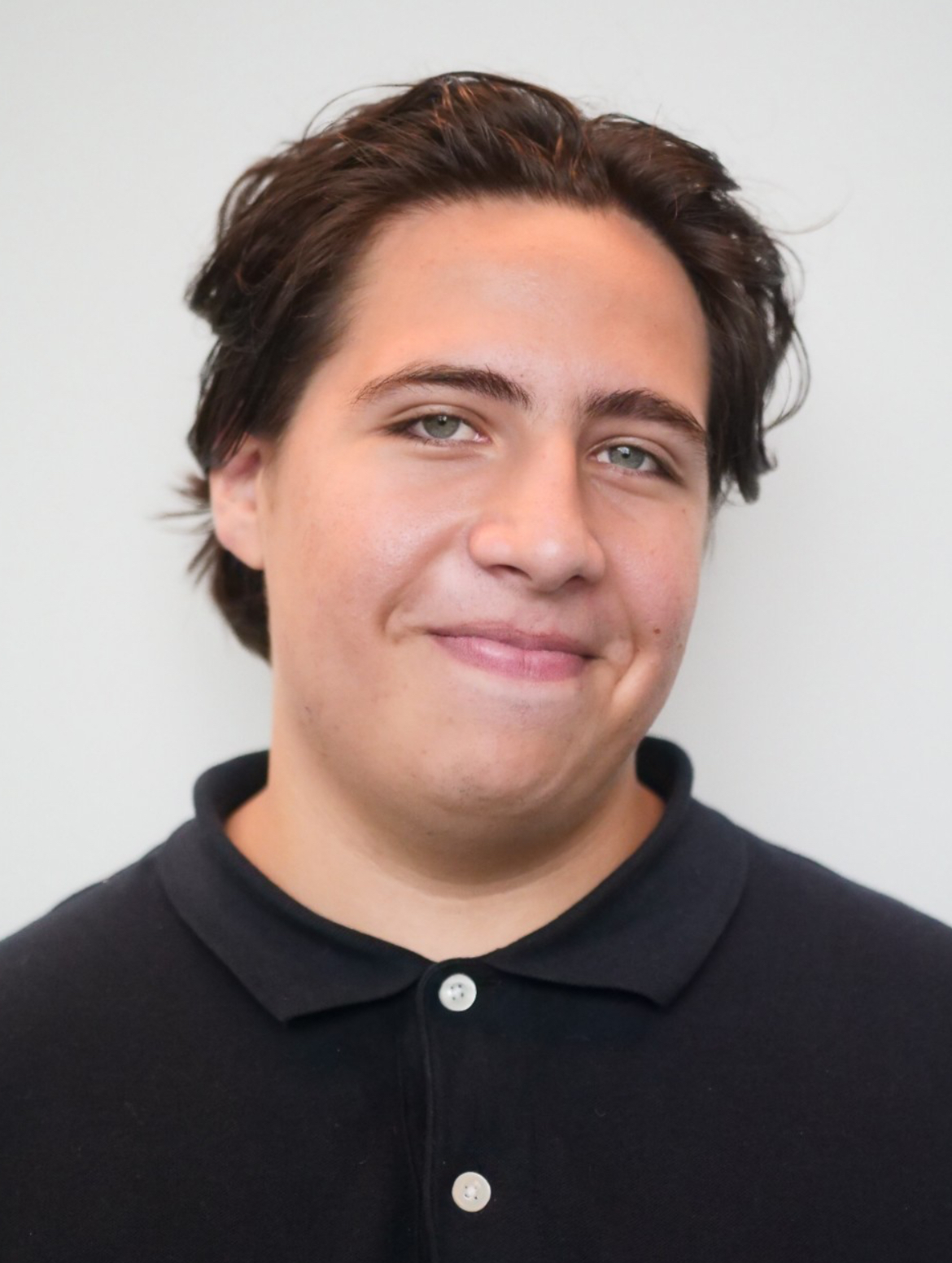
Michael Antonio Hernandez is a New York–based producer, actor, and filmmaker studying Drama at NYU Tisch. He works with One Wonder Media, founded Asomo Studios, and will join Brookside Artist Management in Spring 2026.
He produces Cold Read NYC and previously led marketing for Playwrights Horizons on the Tony Award–winning Stereophonic and Teeth the Musical. His filmmaking credits span film, theatre, and digital media, including I, To You, Pilled, and Limp.
As an actor, Michael won Best Dramatic Piece and Best Scene Partner at the Kennedy Center American College Theater Festival, recently performed in Search for What I Left at Playwrights Horizons, and made his soloist debut at Carnegie Hall.
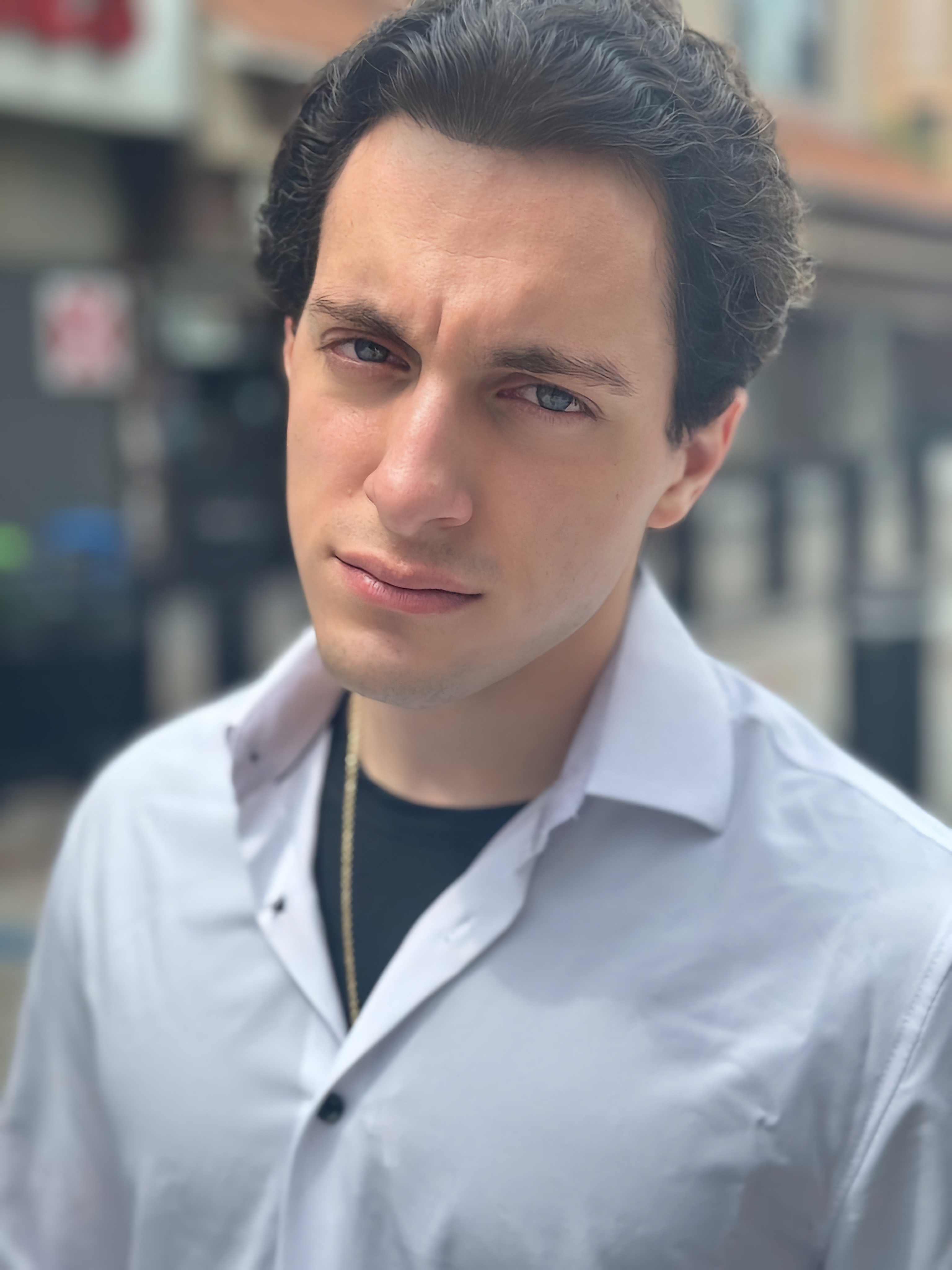
Joe Jaquinto is a businessman and physicist turned professional actor, writer, director, animator, and producer. After entering the industry he set his sights on large-scale production, collaborating with talented creators to bring visions to life.
This production reminded him of the grounded dramas he grew up with as a 2000s kid, and the Hasya crew has been a joy to build alongside. Joe can’t wait for audiences to experience what the team has crafted.